
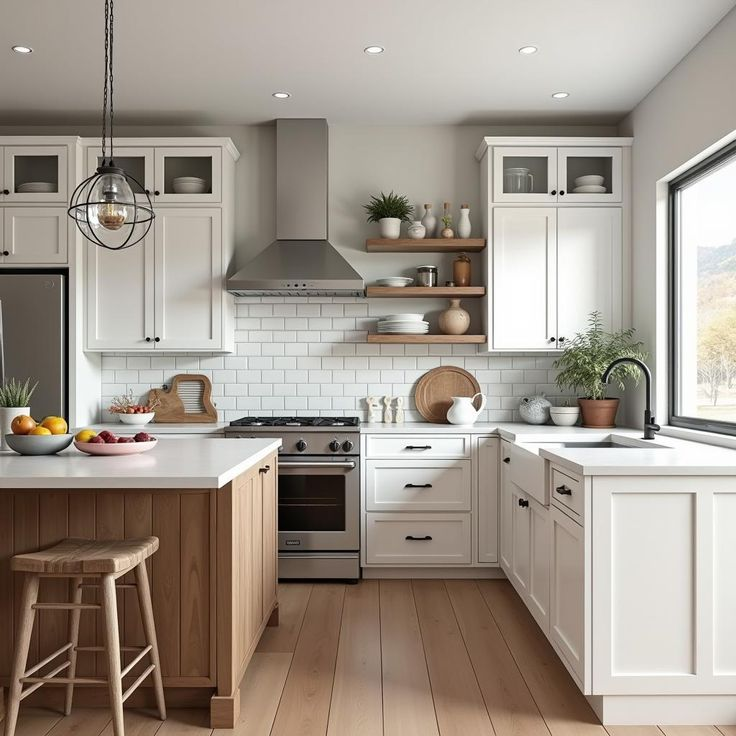
The kitchen is one of the most frequently used areas in any home. It is a place where meals are prepared, conversations happen, and daily routines take place. Because of this, homeowners are becoming more thoughtful about their kitchen design choices, especially when selecting cabinets that balance appearance, storage, and long-term performance.
Choosing new cabinets is not only about finding a style that looks attractive. The right decision requires careful consideration of layout, materials, functionality, and how the space will be used over time. A well-planned kitchen can make everyday tasks easier while improving the overall value and comfort of a home.
Many homeowners now explore different cabinet solutions for modern kitchens to create spaces that match their lifestyle while making better use of available storage areas. Understanding the important factors before making a purchase can help avoid design mistakes and create a more practical kitchen environment.
Understanding Your Kitchen Needs Before Selecting Cabinets
Before choosing cabinet styles or finishes, homeowners should first understand their specific needs. Every kitchen has different requirements depending on household size, cooking habits, available space, and personal preferences.
A family that cooks frequently may need more storage for cookware, appliances, and pantry items. Others may prioritize open layouts, display areas, or additional workspace. Identifying these needs early helps create a cabinet design that supports daily activities.
It is also important to consider how the kitchen will be used in the future. A design that works today should continue to provide convenience as household needs change. Proper planning allows homeowners to choose cabinets that offer both immediate benefits and long-term value.
Choosing the Right Cabinet Style for Your Home
Cabinet style has a major impact on the overall appearance of a kitchen. Since cabinets cover a large portion of the room, their design influences the entire atmosphere of the space.
Homeowners can choose from various styles, including traditional, contemporary, transitional, and minimalist options. Each style creates a different look and can complement different home designs.
For example, simple cabinet designs can create a clean and modern appearance, while detailed cabinet doors may add a classic or timeless feel. The key is selecting a style that matches the home while also reflecting personal taste.
A good cabinet choice should not only follow current trends but also remain visually appealing for years. Timeless designs often provide better long-term satisfaction because they can adapt to changing preferences.
Considering Cabinet Materials and Construction Quality
The quality of cabinet materials plays an important role in durability and performance. Since kitchen cabinets are used every day, they need to handle regular opening, closing, cleaning, and storage demands.
Different materials offer different benefits. Some homeowners may prefer options that provide a premium appearance, while others may focus on durability and easy maintenance.
Construction quality is equally important. Strong cabinet frames, reliable hardware, and proper finishing methods can help cabinets maintain their appearance and function over time.
When comparing options, homeowners should look beyond surface appearance and consider how cabinets are built. A well-constructed cabinet system can provide better performance and reduce the need for future replacements.
Planning Storage for Better Kitchen Organization
One of the biggest reasons homeowners update their kitchens is to improve storage. Poorly planned storage can make even large kitchens feel crowded and difficult to use.
Modern cabinet designs focus on maximizing available space through better organization. Features such as deep drawers, specialized compartments, and carefully planned layouts allow homeowners to store items more efficiently.
Storage planning should consider frequently used items and their ideal locations. For example, cooking essentials should be easy to access near preparation areas, while less frequently used items can be stored in higher or less accessible spaces.
For homeowners exploring kitchen cabinet options for Milwaukee homes, selecting cabinets based on both design and storage needs can help create a kitchen that feels organized and functional.
Matching Cabinet Colors With Kitchen Design
Color selection is another important factor when choosing new cabinets. The right cabinet color can influence how spacious, bright, or welcoming a kitchen feels.
Light-colored cabinets are often chosen for smaller kitchens because they can create an open and airy appearance. White, cream, and soft neutral shades can provide a clean look that works well with many design styles.
Darker cabinet colors can add depth and create a more dramatic appearance. These options may work well in larger kitchens or spaces where homeowners want a bold design statement.
The best color choice depends on the overall kitchen design, including countertops, flooring, lighting, and wall colors. A balanced combination creates a more cohesive and attractive space.
Evaluating Cabinet Layout and Functionality
A beautiful kitchen still needs to function efficiently. Cabinet placement should support the natural movement of the kitchen and make everyday activities easier.
The layout should consider important areas such as food preparation zones, cooking spaces, and cleaning areas. Cabinets should be positioned in a way that allows easy access while reducing unnecessary movement.
Corner spaces, wall areas, and unused sections of the kitchen can often be improved with thoughtful cabinet planning. A professional layout approach can help homeowners use every available area effectively.
Functional cabinet placement creates a smoother workflow and makes the kitchen more enjoyable to use.
The Importance of Professional Design and Installation
Selecting cabinets is only one part of creating a successful kitchen. Proper measurements, planning, and installation also affect the final result.
Incorrect measurements or poor installation can create problems such as uneven cabinet alignment, wasted space, and reduced functionality. Professional guidance helps ensure that cabinets fit properly and perform as expected.
Experienced professionals can also provide recommendations based on kitchen size, design goals, and practical requirements. Their knowledge can help homeowners make informed decisions throughout the remodeling process.
Balancing Budget With Long-Term Value
Budget is an important consideration when choosing new kitchen cabinets. However, the lowest initial cost is not always the best option for long-term satisfaction.
Homeowners should consider the value they receive from their investment. Durable materials, functional designs, and quality installation can provide benefits for many years.
Creating a realistic budget involves considering cabinet materials, design features, installation requirements, and future maintenance needs. Proper planning helps homeowners achieve the desired look without unnecessary expenses.
Creating a Kitchen That Reflects Your Lifestyle
Every homeowner has different priorities when designing a kitchen. Some people need additional storage, while others focus on entertaining, appearance, or creating a comfortable family space.
The best cabinet choices are those that support the way people actually live. A kitchen should be designed around daily habits rather than only visual preferences.
By considering storage, style, quality, and functionality together, homeowners can create a space that feels both practical and personalized.
Conclusion
Choosing new kitchen cabinets requires careful planning and consideration. From selecting the right style and materials to creating an efficient storage layout, every decision contributes to the final result.
A successful kitchen design combines appearance with functionality, allowing homeowners to enjoy a space that works well for their everyday needs. By focusing on quality, organization, and thoughtful planning, new cabinets can improve both the comfort and value of a home for many years.
