
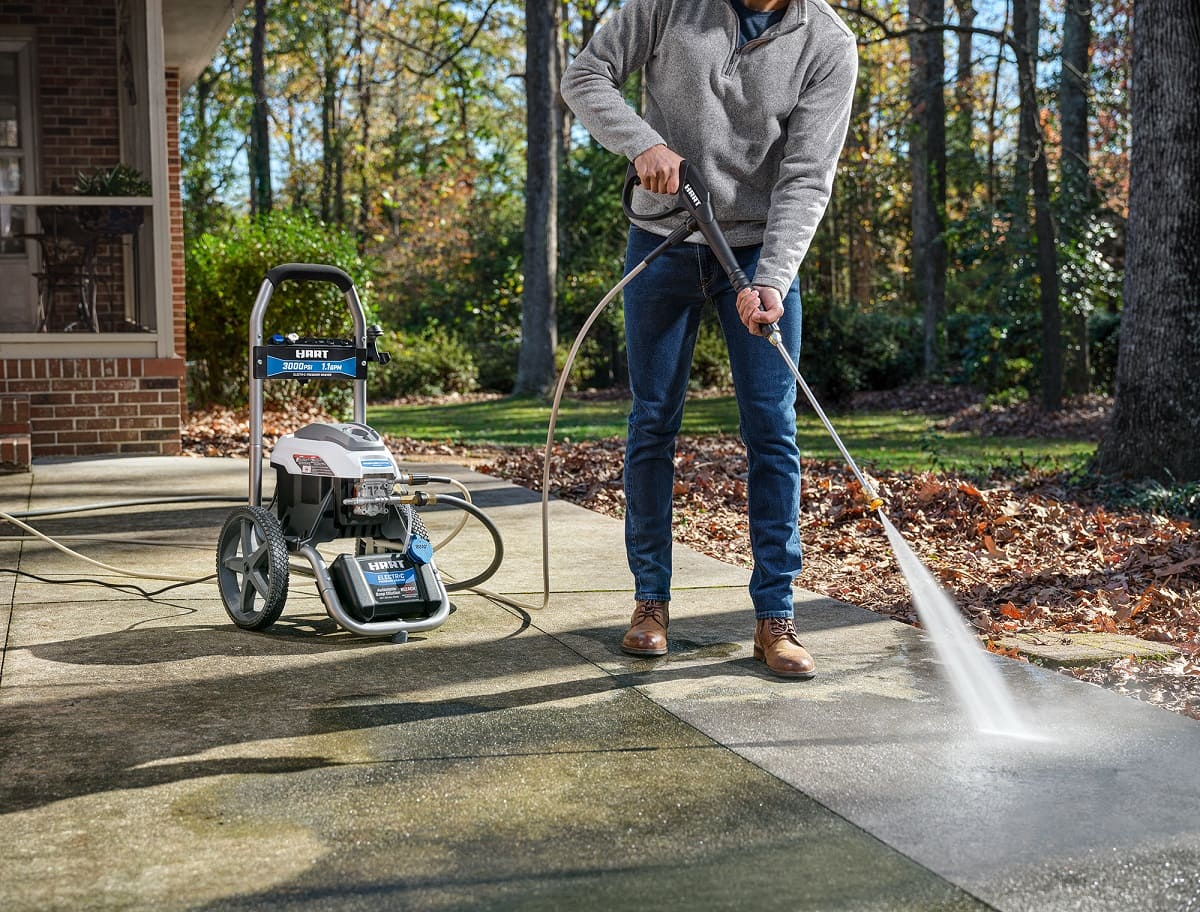
When selecting a pressure washer, many buyers focus mainly on PSI because it represents the force behind the water stream. While pressure is important, another measurement plays an equally significant role in cleaning performance: gallons per minute, commonly known as GPM.
GPM measures the amount of water a pressure washer delivers every minute. This measurement directly affects how quickly dirt, debris, and contaminants can be removed from a surface. A machine with the right balance of pressure and water flow can complete cleaning tasks more efficiently while reducing unnecessary effort.
A 3 GPM pressure washer can provide a practical solution for many commercial and maintenance applications where users need reliable cleaning performance without excessive water consumption. Understanding how water flow affects results helps businesses choose equipment that matches their specific workload.
For professional cleaning operations, selecting the correct GPM rating can make a major difference in productivity, especially when working on larger surfaces or dealing with challenging buildup.
What Does GPM Mean in Pressure Washing?
Gallons per minute refers to the volume of water moving through the pressure washer system during operation. While PSI determines the force of the water hitting the surface, GPM determines how much cleaning power is carried across that surface.
A higher GPM rating allows more water to move dirt and debris away after the pressure loosens the material. This makes the cleaning process faster, especially when dealing with large areas.
For example, removing dirt from a small residential surface may not require a high-flow machine. However, cleaning commercial buildings, equipment, parking areas, or industrial spaces often benefits from increased water flow.
Understanding GPM helps users avoid choosing equipment based only on pressure ratings.
Why Water Flow Matters for Cleaning Efficiency
Cleaning efficiency depends on how quickly a machine can remove contamination. A pressure washer with strong pressure but limited water flow may loosen dirt effectively but take longer to rinse the surface.
Higher water flow improves the rinsing process by carrying away loosened material more quickly. This becomes especially important when cleaning large areas where time and productivity are major concerns.
Businesses that rely on pressure washing as part of their operations need equipment that allows workers to complete tasks efficiently. The right GPM rating can help reduce labor time and improve overall workflow.
However, higher flow is not always better for every application. The machine should match the cleaning requirement, water availability, and surface type.
Choosing the Right GPM for Different Applications
Different cleaning environments require different levels of water flow. A machine used for occasional maintenance may have different requirements compared with equipment used daily in commercial settings.
Lower GPM machines are often suitable for smaller projects where mobility and water conservation are priorities. They can handle many routine cleaning tasks without requiring large water supplies.
Medium and higher GPM machines are often preferred for professional cleaning applications because they allow operators to cover more surface area in less time.
The right choice depends on factors such as:
- Size of the cleaning area
- Type of contamination
- Required cleaning speed
- Available water supply
- Frequency of use
Evaluating these factors helps businesses select equipment that provides practical performance.
How Higher GPM Supports Commercial Cleaning
Commercial cleaning projects often involve large surfaces that require consistent results. Warehouses, construction equipment, fleet vehicles, and industrial areas may need equipment capable of handling extensive cleaning demands.
A 5 GPM pressure washer can provide increased water flow for users who need faster cleaning performance in demanding environments.
Higher-flow equipment can help reduce the number of passes required to remove dirt and residue. This can improve productivity for contractors and businesses where cleaning time directly affects operating costs.
However, operators must still consider surface sensitivity and cleaning techniques. More water flow should always be combined with proper pressure settings and suitable accessories.
The Relationship Between PSI and GPM
PSI and GPM work together to determine overall pressure washer performance. Looking at only one measurement can create an incomplete picture of what a machine can achieve.
A machine with high PSI but low GPM may provide strong impact but slower rinsing ability. A machine with higher GPM can move more water across the surface, improving cleaning speed.
Professional users often evaluate both measurements before selecting equipment because they need a machine that can handle real-world conditions.
The ideal combination depends on the specific application. Cleaning delicate surfaces requires careful control, while heavy-duty jobs may benefit from stronger performance.
Water Supply and Equipment Selection
Before purchasing a pressure washer, users should consider whether their available water supply can support the required GPM rating.
A high-flow machine needs a sufficient water source to perform properly. If the supply cannot provide enough water, the equipment may not operate efficiently and could experience performance issues.
Businesses should evaluate their water availability before choosing equipment. This ensures the selected pressure washer can operate at its intended capacity.
Proper planning prevents problems and helps maintain consistent cleaning results.
Accessories Also Influence Performance
While GPM and PSI are important, accessories also affect how effectively a pressure washer performs. The right nozzle, hose, and attachment can improve cleaning control and efficiency.
Different nozzles create different spray patterns, allowing operators to adjust coverage and pressure according to the task.
For larger cleaning projects, selecting suitable accessories helps maximize the benefits of higher water flow while maintaining safe operation.
Professional operators understand that equipment performance depends on the complete system rather than one specification alone.
Maintenance for Long-Term Performance
Regular maintenance helps pressure washers maintain their efficiency over time. Pumps, hoses, filters, and connections should be inspected regularly to prevent performance problems.
A machine that is not properly maintained may lose efficiency, experience reduced water flow, or require expensive repairs.
Businesses should follow manufacturer recommendations and address small issues before they become major problems.
Reliable maintenance practices protect the equipment investment and help ensure consistent cleaning performance.
Selecting Equipment for Future Needs
When businesses invest in pressure washing equipment, they should consider both current and future requirements.
A machine that meets today’s needs but cannot handle future growth may require replacement sooner than expected. On the other hand, purchasing equipment far beyond actual requirements may create unnecessary costs.
The best approach is selecting equipment that provides enough performance for regular tasks while allowing some flexibility for changing demands.
Final Thoughts
GPM is one of the most important factors to consider when choosing a pressure washer. While PSI provides cleaning force, water flow determines how efficiently dirt and debris can be removed from surfaces.
Understanding the relationship between GPM, PSI, surface requirements, and cleaning conditions helps businesses make better equipment decisions.
By selecting the right water flow capacity, professional users can improve productivity, reduce cleaning time, and achieve more consistent results across different applications.
