
Introduction
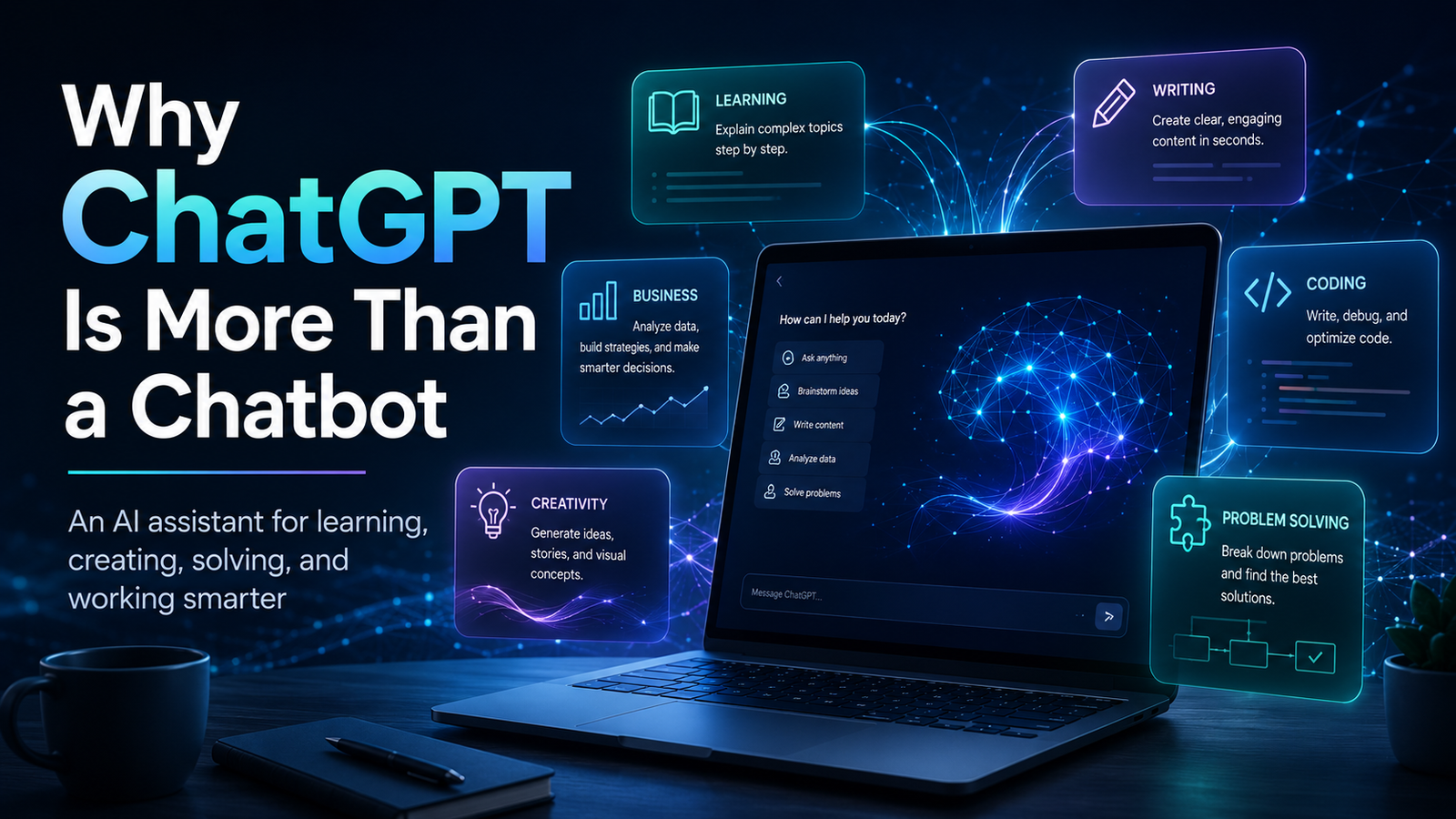
ChatGPT is not just another digital tool. It has become one of the most recognized AI brands in the world. People use it to write, learn, plan, code, research, brainstorm, create images, solve problems, and understand complex topics in simple words. For many users, ChatGPT feels like a smart assistant that is available whenever they need help.
In a world where information moves fast, people want answers that are quick, clear, and useful. ChatGPT has changed how users interact with technology because it does not feel like a normal search box. It responds in a conversational way. You can ask a question, add more details, correct the direction, and continue the same discussion like you are talking to a helpful guide.
This is the reason ChatGPT has become more than software. It has become a brand built around assistance, intelligence, creativity, and accessibility. Students use it for learning. Writers use it for ideas. Business owners use it for content and planning. Developers use it for code. Designers use it for prompts and concepts. Everyday users use it for emails, recipes, travel plans, explanations, and personal productivity.
The real strength of ChatGPT is not only that it can answer questions. Its strength is that it can turn confusing information into something useful. It can help users move from idea to action. It can reduce the fear of a blank page. It can make learning easier. It can help people understand topics that once felt too technical or difficult.
Still, like every powerful technology, ChatGPT must be used wisely. It can make mistakes. It may need fact-checking. It should support human thinking, not replace it completely. When used with care, it becomes a strong partner for modern work and learning.
This article explores ChatGPT as a brand, a technology, a productivity assistant, a learning tool, a creative partner, and a symbol of the AI age.
What Is ChatGPT?
ChatGPT is an artificial intelligence chatbot developed by OpenAI. It is designed to understand user prompts and respond in natural language. A prompt can be a question, instruction, idea, image request, writing task, coding problem, or conversation starter.
Unlike older digital tools that only followed fixed commands, ChatGPT can understand context. That means it can remember what you said earlier in the same conversation and respond based on the flow of discussion. This makes the experience feel more natural and flexible.
For example, you can ask ChatGPT to write a blog introduction. Then you can ask it to make the tone friendlier. After that, you can ask it to shorten the paragraph or add examples. This back-and-forth style makes ChatGPT useful for real work because most tasks need revision, not just one answer.
ChatGPT uses large language model technology. In simple words, it has learned patterns from huge amounts of text and can generate helpful responses based on what users ask. It does not think like a human, but it can process language in a way that feels intelligent and practical.
Today, ChatGPT is used for many tasks, including writing, editing, summarizing, translating, coding, brainstorming, planning, teaching, explaining, and creative idea generation. It can also help with images, voice conversations, web-based information, and productivity workflows depending on available features and plan access.
The most important point is simple: ChatGPT makes advanced AI easier for normal people to use.
Why ChatGPT Became a Powerful Brand
A strong brand is not built only by a logo or name. It is built by trust, usefulness, recognition, and emotional connection. ChatGPT became powerful because it solved a real problem for millions of people: it made knowledge easier to access and use.
Before tools like ChatGPT, many users depended on search engines, long articles, forums, tutorials, or expert help. These sources are still valuable, but they can take time. ChatGPT offers a different experience. It gives direct help in a conversational format.
The name “ChatGPT” itself became familiar because the product was easy to try. People did not need deep technical knowledge. They could simply type a question and get a response. That simple entry point helped ChatGPT reach students, professionals, creators, businesses, and casual users.
Another reason ChatGPT became a brand is versatility. Some tools are made for one job. ChatGPT can help with many. It can explain science to a student, write an email for a worker, create a content outline for a blogger, debug code for a developer, or help a small business owner plan a campaign.
This wide usefulness gave ChatGPT a place in everyday life. People started saying things like “Ask ChatGPT” in the same way they once said “search it online.” That is a sign of brand strength. When a product becomes part of daily language, it has moved beyond being just a tool.
ChatGPT also represents the larger AI revolution. For many people, it was their first real experience with generative AI. It made artificial intelligence feel less like science fiction and more like a daily assistant.
ChatGPT as a Learning Partner
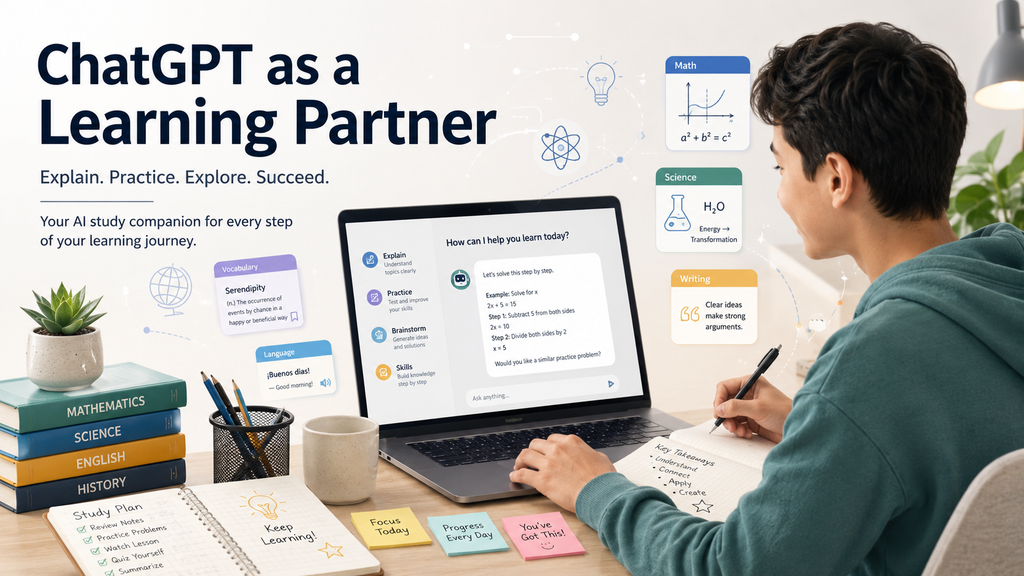
One of the strongest uses of ChatGPT is education. Students can use it to understand difficult topics in simple words. Teachers can use it to create lesson plans, examples, quizzes, and explanations. Lifelong learners can use it to explore new subjects at their own speed.
The best part is that ChatGPT can adjust the explanation. If a student does not understand a topic, they can ask for a simpler version. If they need examples, ChatGPT can provide them. If they want a step-by-step answer, it can break the topic into smaller parts.
For example, a student learning climate change can ask for a basic explanation first. Then they can ask for causes, effects, examples, and exam-style answers. This makes learning more interactive than reading one fixed paragraph.
ChatGPT can also help with language learning. Users can ask it to translate text, explain grammar, correct sentences, create vocabulary lists, or practice conversations. For people who feel shy asking questions in class, ChatGPT can be a safe place to learn privately.
However, students should not use ChatGPT for cheating. It should be used as a study helper, not a shortcut for dishonest work. The best way to use it is to understand ideas, improve drafts, create outlines, and practice thinking.
When used responsibly, ChatGPT can support better learning. It gives users the courage to ask questions and the freedom to learn at their own pace.
ChatGPT for Writing and Content Creation
Writing is one area where ChatGPT has made a huge impact. Many people struggle with the blank page. They know what they want to say, but they do not know how to start. ChatGPT helps by turning rough ideas into clear drafts.
It can write blog posts, social media captions, emails, product descriptions, scripts, outlines, titles, meta descriptions, FAQs, ad copy, and more. It can also rewrite content in different tones, such as professional, friendly, simple, persuasive, emotional, or formal.
For content creators, this is extremely useful. Instead of spending hours thinking about structure, they can ask ChatGPT for an outline. Then they can refine it with their own experience, examples, and voice.
This is important because good content is not only about words. It is about clarity, audience understanding, structure, and usefulness. ChatGPT can help organize ideas, but human input makes the final content more original and authentic.
For SEO writers, ChatGPT can help with topic planning, headings, keyword ideas, FAQs, and content briefs. But it should not be used blindly. Search engines value helpful content written for people. That means the final article must answer real user questions, include accurate information, and avoid keyword stuffing.
ChatGPT is best used as a writing partner. It helps you move faster, but your judgment gives the content quality.
ChatGPT for Business and Productivity
Businesses use ChatGPT because it saves time and improves communication. Small business owners, freelancers, marketers, customer support teams, and managers can all benefit from AI-powered assistance.
For example, a business owner can use ChatGPT to write product descriptions, customer replies, social media posts, business plans, email templates, ad ideas, and website copy. A manager can use it to summarize meeting notes, prepare reports, or create task lists.
ChatGPT can also help with brainstorming. Many business ideas start messy. A person may have a rough thought but no clear plan. ChatGPT can turn that idea into steps, strategies, checklists, and possible actions.
For productivity, ChatGPT works like a thinking assistant. It can help users organize tasks, create schedules, simplify documents, write reminders, and break large goals into smaller actions. This is useful because people often feel stuck not because they lack ideas, but because they lack structure.
In customer service, ChatGPT can help draft polite responses, explain policies, and create support scripts. In marketing, it can help with campaign concepts, audience research questions, content calendars, and ad variations.
Still, businesses should always review AI-generated content before publishing or sending it. Brand tone, legal accuracy, customer details, and factual claims need human checking.

Used correctly, ChatGPT can help businesses work faster without losing quality.
ChatGPT for Coding and Technical Help
Another major reason ChatGPT became popular is its coding support. Developers, students, and beginners use it to understand programming concepts, debug errors, write code snippets, explain functions, and learn new frameworks.
For beginners, coding can feel scary. Error messages are often confusing. ChatGPT can explain what an error means in simple language and suggest possible fixes. This helps learners stay motivated.
For experienced developers, ChatGPT can speed up repetitive tasks. It can generate boilerplate code, explain documentation, suggest test cases, refactor code, and compare approaches. It can also help with SQL queries, Python scripts, HTML, CSS, JavaScript, and many other technical tasks.
However, AI-generated code should always be tested. ChatGPT can make mistakes, miss edge cases, or suggest code that does not fit the exact environment. A developer should treat it as a helper, not an automatic replacement for technical judgment.
One of the best uses of ChatGPT in coding is explanation. It can take complex code and explain what each part does. This is helpful for learning, debugging, and team communication.
In short, ChatGPT does not remove the need for programming skill. It helps people learn and work with code more efficiently.
ChatGPT and Creativity
Creativity is not limited to artists. Everyone needs creativity in some form. A business needs creative marketing. A student needs creative presentation ideas. A designer needs visual concepts. A writer needs fresh angles. A teacher needs engaging examples.
ChatGPT helps creativity by giving users a starting point. It can suggest names, themes, story ideas, image prompts, campaign concepts, video scripts, brand messages, and content angles. Even when the first answer is not perfect, it can spark a better idea.
For example, a designer can ask for prompts for a modern product advertisement. A YouTuber can ask for video hooks. A blogger can ask for title ideas. A teacher can ask for classroom activities. A startup founder can ask for brand name concepts.
This does not mean ChatGPT owns creativity. Human creativity still matters. The user chooses, edits, combines, and improves ideas. ChatGPT works like a creative partner that helps users think wider and faster.
It is especially helpful when someone feels stuck. Sometimes one good suggestion is enough to restart the creative process.
The future of creativity may not be human versus AI. It may be human plus AI, where people use smart tools to express ideas better.
ChatGPT Search and Real-Time Information
One major improvement in ChatGPT is the ability to search the web when needed. This matters because older AI models had limits based on their training data. Without current information, an AI assistant may not know recent news, updated prices, new rules, fresh product details, or current events.
With search features, ChatGPT can help users find timely information and connect answers with relevant web sources. This makes it more useful for topics that change often.
For example, users may need current information about technology updates, sports schedules, travel rules, company news, product releases, or policy changes. A search-enabled AI assistant can help gather and explain that information faster.
This also increases ChatGPT’s competition with traditional search engines. Search engines usually provide links. ChatGPT can provide a direct explanation, summary, comparison, or action plan. That is a different experience.
Still, users should check important sources directly, especially for legal, medical, financial, or official decisions. ChatGPT can guide research, but high-stakes choices need careful verification.
The combination of conversation and search is powerful because it helps users move from finding information to understanding it.
ChatGPT Voice, Images, and Multimodal Use
ChatGPT is no longer only about typing. Modern AI tools can work with text, voice, and images. This makes the experience more natural and useful.
Voice mode allows users to speak with ChatGPT instead of typing. This is helpful when someone is walking, cooking, driving safely with hands-free support, practicing a language, or wanting a more natural conversation. Voice makes AI feel closer to a real assistant.
Image features also make ChatGPT more practical. Users can ask about photos, screenshots, designs, documents, charts, or visual ideas. They can also generate images from descriptions. This helps designers, marketers, students, bloggers, and creators.
For example, a user can describe a product image they need for a blog. ChatGPT can help turn that idea into a visual prompt or generate a suitable image depending on available tools. A student can upload a diagram and ask for an explanation. A business owner can share a screenshot and ask for improvement ideas.
This multimodal ability is one of the biggest reasons ChatGPT feels like a modern AI brand. It is not locked into one format. It can support text, visuals, and spoken interaction.
GPT Store and Custom GPTs
The GPT Store is another important part of the ChatGPT ecosystem. It allows users to explore custom GPTs created for different tasks. These custom versions can focus on writing, education, design, coding, research, productivity, lifestyle, and many other areas.
This is important because not every user needs the same assistant. A student may want a study helper. A marketer may want an ad copy assistant. A developer may want a coding guide. A designer may want a prompt generator. Custom GPTs make the platform more flexible.
For brands and professionals, custom GPTs can also support workflows. A business can create a GPT that follows its tone, style, knowledge base, and process. This can help teams save time and keep output more consistent.
The GPT Store also shows that ChatGPT is not only one product. It is becoming a platform. A platform allows people to build, customize, and share tools around their needs.
This platform approach gives ChatGPT long-term brand power. It creates an ecosystem where users do not only consume AI. They shape it for specific purposes.
Why ChatGPT Feels Different From Traditional Tools
Traditional tools usually wait for exact commands. ChatGPT feels different because it works through conversation. You do not need to know the perfect keyword. You can explain your problem in normal language.
This makes it friendly for beginners. A person can say, “I need help writing a professional email,” or “Explain this like I am new,” or “Make this paragraph better.” ChatGPT can understand the intent and provide a useful answer.
Another difference is flexibility. A grammar tool may only fix grammar. A search engine may only show links. A calculator may only solve numbers. ChatGPT can combine many tasks in one place. It can explain, write, calculate, summarize, compare, and plan.
It also supports iteration. If the first answer is too formal, you can ask for a friendlier version. If it is too long, you can ask for a shorter one. If it misses a point, you can add more context.
This makes ChatGPT feel less like software and more like a working partner. That experience is a big reason behind its strong brand identity.
Benefits of ChatGPT for Everyday Users
ChatGPT is useful because it helps with common daily tasks. You can ask it to write a message, explain a bill, plan a routine, create a checklist, summarize notes, prepare interview answers, or organize ideas.
For busy people, this saves time. For learners, it makes difficult topics easier. For creators, it gives new ideas. For professionals, it improves workflow. For non-native English speakers, it helps with communication.
It can also reduce stress. Many people delay tasks because they do not know where to start. ChatGPT gives a first draft, plan, or direction. That small push can make work feel easier.
For example, writing an email to a client may take 20 minutes if you are unsure about wording. ChatGPT can create a polished draft in seconds, and then you can adjust it. This does not remove your role. It simply makes the first step easier.
The biggest everyday benefit is confidence. Users feel they have support when they need it.
Limitations of ChatGPT
A strong article about ChatGPT must also be honest about its limits. ChatGPT is powerful, but it is not perfect.
It can sometimes give incorrect information. This is often called hallucination. The answer may sound confident even when it is wrong. That is why users should fact-check important details.
It can also misunderstand context if the prompt is unclear. Better prompts usually lead to better answers. Users should give details, goals, audience, tone, and examples when asking for important work.
ChatGPT may also reflect bias from data patterns. AI systems learn from large amounts of information, and not all information is balanced or fair. Responsible AI use requires awareness of this issue.
Another limitation is overdependence. If users let ChatGPT do all thinking for them, they may weaken their own skills. The best approach is to use ChatGPT as support while still making your own decisions.
For professional work, human review is essential. Medical, legal, financial, academic, and business decisions should not rely only on AI output.
ChatGPT is best when used as a helpful assistant, not as an unquestioned authority.
Responsible Use of ChatGPT
Responsible use means using ChatGPT in a way that is honest, safe, and helpful. Users should not use it to cheat, mislead people, create harmful content, spread false information, or pretend AI work is fully human when disclosure is required.
Students should use it for learning, not copying assignments. Writers should use it for support, not plagiarism. Businesses should review AI content before publishing. Developers should test AI-generated code. Researchers should verify sources.
Responsible use also means protecting privacy. Users should avoid sharing sensitive personal information, private passwords, confidential business data, or personal details that should not be exposed.
The best users treat ChatGPT as a smart assistant. They ask better questions, review answers, add human judgment, and use the output ethically.
This balanced approach protects trust. As AI becomes more common, trust will become even more important.
ChatGPT in the Future of Work
The future of work is changing. AI tools like ChatGPT are becoming part of writing, coding, marketing, customer support, education, design, research, and business planning.
This does not mean every job will disappear. It means many jobs will change. People who learn how to use AI well may become faster, more creative, and more productive.
For example, a content writer can use ChatGPT to create outlines and drafts but still add strategy, experience, and editing. A developer can use it to debug faster but still understand system logic. A teacher can use it to prepare material but still guide students with human care.
The most valuable skill may be AI literacy. This means knowing how to ask good questions, check answers, improve outputs, and use AI responsibly.
ChatGPT represents this shift. It shows that future professionals may not only need technical skills. They may also need the ability to collaborate with intelligent tools.
In this way, ChatGPT is not just a product. It is part of a new work culture.
ChatGPT as a Global AI Symbol
ChatGPT became a global symbol because it made AI visible to everyday people. Before this, many people heard about artificial intelligence but did not use it directly. ChatGPT changed that.
Now, a student in one country, a freelancer in another, and a business owner somewhere else can all use the same tool for different needs. This global reach gives ChatGPT cultural importance.
It has started conversations about education, creativity, jobs, ethics, privacy, copyright, misinformation, and the future of knowledge. These debates are important because powerful technology affects society.
Some people see ChatGPT as a productivity revolution. Others worry about misuse. Both views matter. Every major technology brings benefits and risks. The goal should be to maximize benefits while reducing harm.
As a brand, ChatGPT stands at the center of this discussion. It represents possibility, change, curiosity, and responsibility.
Why ChatGPT Is More Than a Chatbot
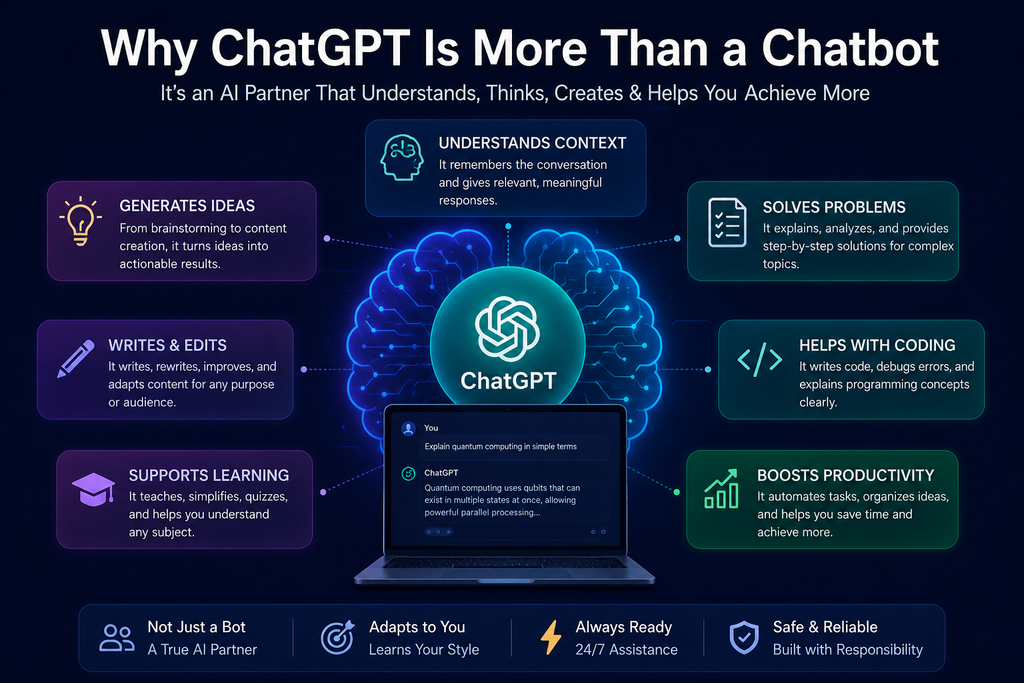
Calling ChatGPT only a chatbot is too small. A chatbot usually answers basic questions. ChatGPT can support full workflows.
It can help users think, write, research, plan, create, revise, compare, explain, and learn. It can support business tasks, study goals, creative projects, and technical work. It can work with different formats and adapt to different tones.
This makes ChatGPT closer to an AI assistant than a simple chatbot. It is a tool that grows with the user’s needs. A beginner may use it for simple explanations. A professional may use it for deep research, analysis, or productivity systems.
Its value depends on how it is used. A weak prompt may produce a basic answer. A clear prompt with context can produce much better results. This means users are part of the process.
ChatGPT is not magic. It is a powerful tool that becomes more useful when people learn how to guide it.
Final Thoughts
ChatGPT has become one of the most important AI brands of the modern digital age. It changed how people think about technology because it made artificial intelligence easy to use, conversational, and practical.
Its strength is not only speed. Its strength is usefulness. It helps people write better, learn faster, create ideas, solve problems, plan work, understand information, and communicate clearly.
At the same time, responsible use matters. ChatGPT can make mistakes, so users must check facts, protect privacy, and apply human judgment. The best results come when humans and AI work together.
ChatGPT represents a new chapter in digital life. It shows that AI can be more than a technical system hidden behind companies and machines. It can become a daily partner for learning, work, creativity, and productivity.
As a brand, ChatGPT stands for accessible intelligence. It brings advanced AI into the hands of normal users. It helps people start faster, think clearer, and create with more confidence.
The future will not belong only to people who use AI blindly. It will belong to people who use AI wisely. ChatGPT is one of the tools leading that future.
